
Muscle After 40: How Protein and Resistance Training Protect the Body That Protects You
After 40, muscle behaves less like vanity tissue and more like an organ of longevity; here is what the evidence supports and how to act on it.
Deep dives into the science of aging, longevity research, and evidence-based anti-aging strategies. Covering senescent cells, telomere biology, NAD+ pathways, and caloric restriction, these articles help you understand and actively slow the aging process based on the latest scientific discoveries.
After 40, muscle behaves less like vanity tissue and more like an organ of longevity; here is what the evidence supports and how to act on it.

Population-average screening guidelines miss people who fall outside the standard risk box; here is how to build a personalized, evidence-based screening plan.

Decades of calling HDL the good cholesterol created a dangerous shortcut; here is what the trials and genetics say to track instead.

Finishing your last meal at least three hours before sleep may improve overnight blood pressure, heart rate and glucose handling, even without losing weight.

A 2026 randomized study suggests some of coffee’s effects on attention and memory run through the gut microbiome; here is what holds up and what to do with it.

Two well-run strength sessions a week capture most of the muscle, strength, and mortality benefit; here is what the meta-analyses show and how to apply it.
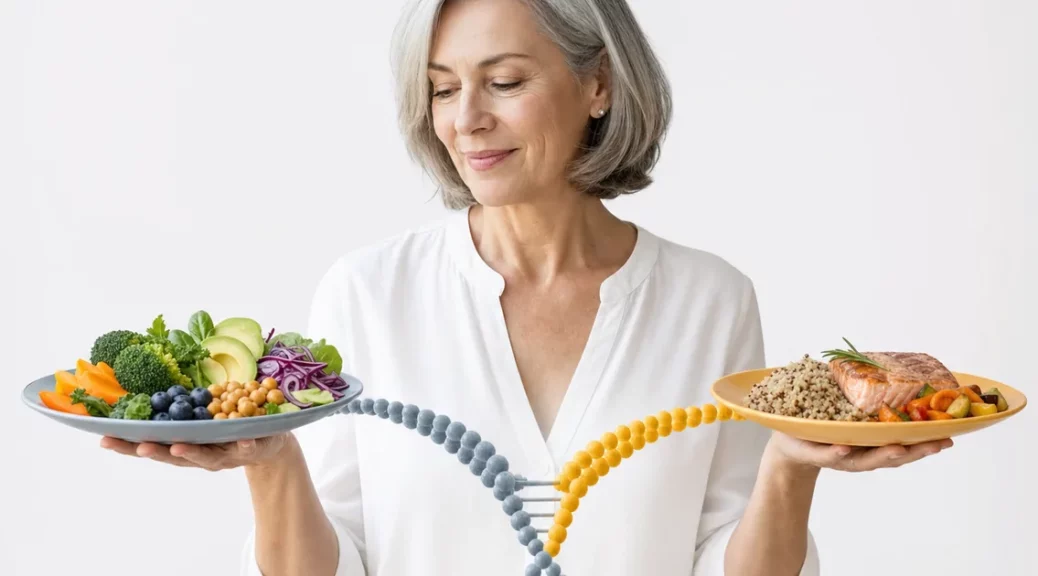
A 2026 Swedish cohort suggests meat intake interacts with APOE ε4 status to shape cognitive aging; here is what is established, what is emerging, and how to act.

A practical guide to which genetic tests genuinely change clinical decisions after 40 — and why your family history still outperforms most consumer DNA kits.

Three 2026 studies on sleep, vitamin D, and omega-3s share one lesson for the aging brain — optimal ranges beat “more is better.
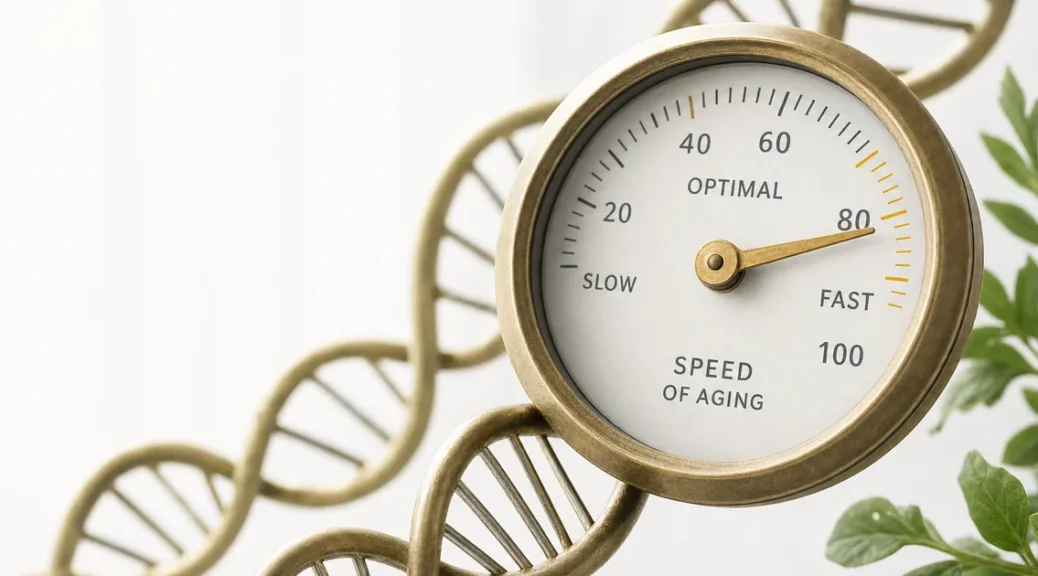
A clear-eyed look at epigenetic clocks—what they measure, what they miss, and which interventions have actually moved them in human trials.