
Can You Train an Aging Brain? Neuroplasticity, Neurofeedback, and What the Evidence Supports After 40
A clear-eyed look at what actually rewires an adult brain, where neurofeedback stands, and a practical weekly plan you can start now.
A clear-eyed look at what actually rewires an adult brain, where neurofeedback stands, and a practical weekly plan you can start now.

Your LDL cholesterol can look fine while the particle count driving arterial risk runs high; here is what apoB measures and how to use it.
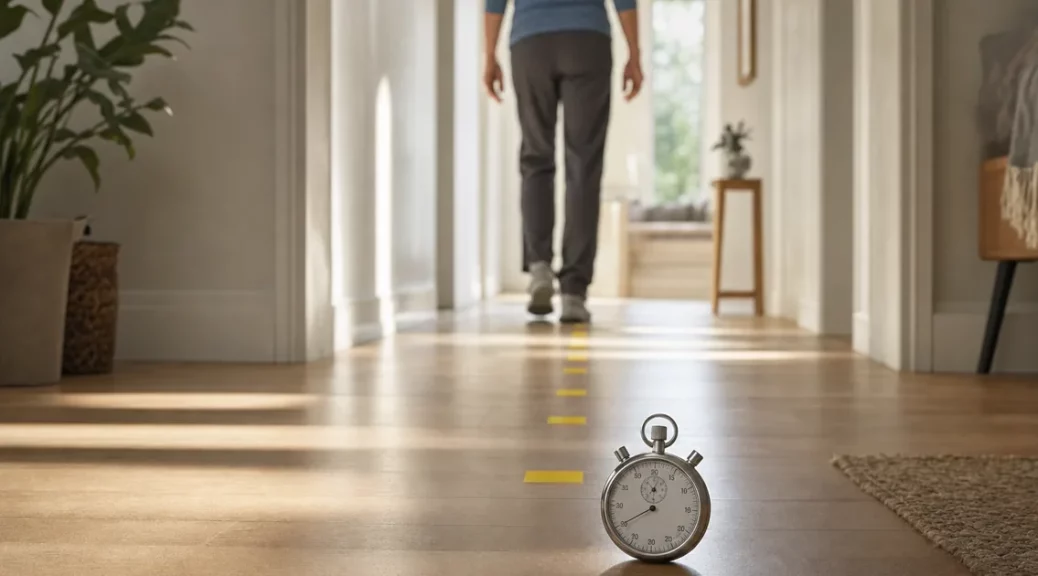
Walking speed is one of the few home measurements that tracks with both survival and dementia risk, and it responds to training you can start this month.
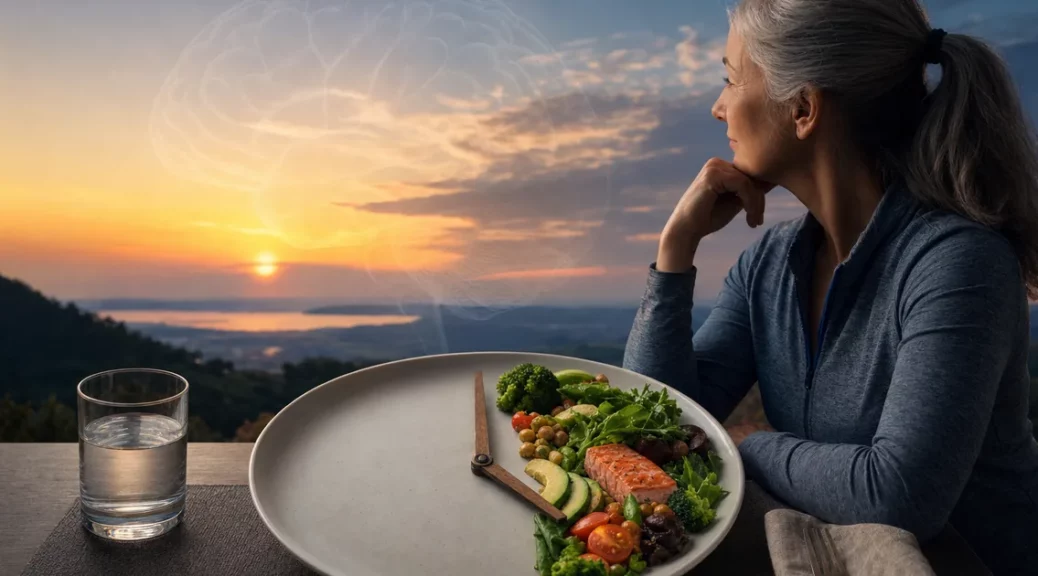
A new cognitive finding is intriguing, but time-restricted eating remains a measurable experiment rather than a proven brain-protection strategy.
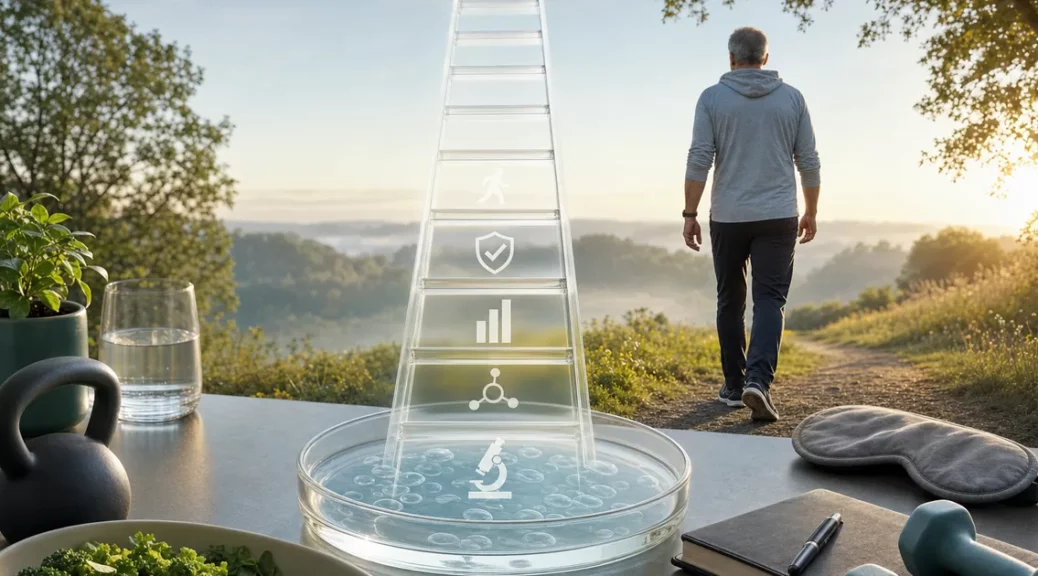
A practical framework for separating actionable longevity evidence from promising findings that still need human validation.
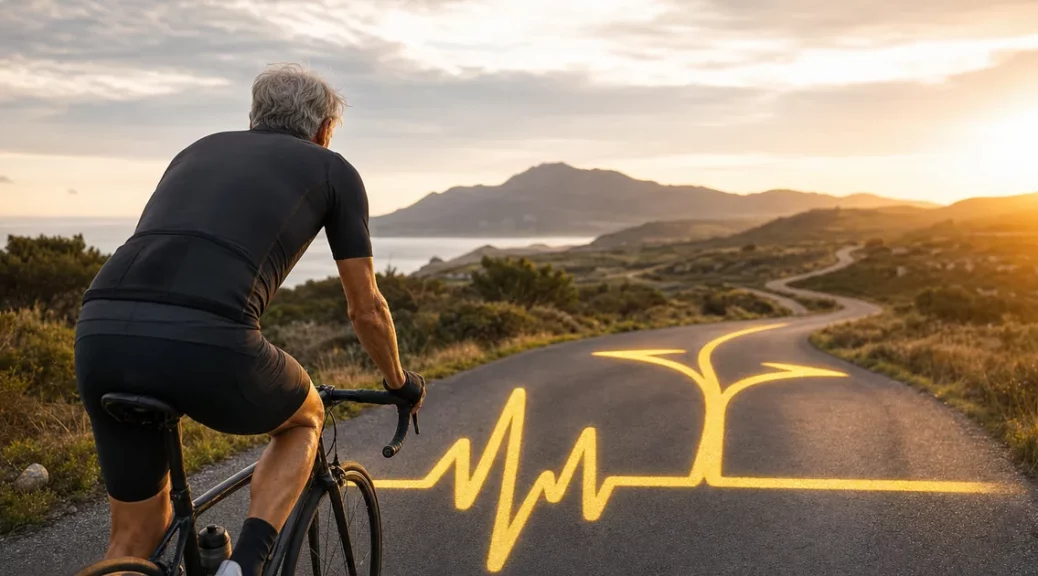
High fitness remains protective, but masters athletes can still develop arrhythmias and coronary plaque; a practical audit helps identify meaningful changes.
Almost everything you believe about your own sleep comes from a questionnaire or an app summary, and new 2026 data shows that layer fails hardest in the brains that need it most.

The strongest long-term mortality studies agree on something counterintuitive: the biggest longevity gains come from modest doses of strength, walking, and whole foods, and the benefit plateaus early.

Public health targets are built on population averages, and the average can quietly misdescribe the individual standing in front of it, you.

Deliberate heat triggers a real cellular stress response and expands your blood volume; here is what the human evidence supports, what is still speculative, and how to use heat without overreaching.