
Creatine and the Aging Brain: Separating a Real Signal From Supplement Hype
A verified tour of the creatine-and-cognition literature, from meta-analyses to a new Alzheimer’s pilot, with a practical eight-week protocol and the hype traps to avoid.
A verified tour of the creatine-and-cognition literature, from meta-analyses to a new Alzheimer’s pilot, with a practical eight-week protocol and the hype traps to avoid.

A 2026 review maps how aerobic, resistance and motor-cognitive training each change brain connectivity in older adults; here is what holds up, and how to apply it.

Three randomized trials on three continents found the same thing: structured, coached lifestyle programs improve cognition in at-risk adults more than good advice alone.

A ranked, evidence-first look at which brain-training methods actually change cognition after 40, plus a 12-week plan built only from what transfers off the screen.

A new Nature Medicine analysis of 51 intervention trials shows which aging markers respond to what you do; here is how to use them to test your own routine.

Gum recession, early liver disease, and the pace of cellular aging all progress without symptoms; here is a practical, evidence-graded audit to catch them.

A 2026 zinc meta-analysis and the first low-dose fisetin trial in healthy older adults show exactly where anti-inflammatory supplementation stands, and how to test it on yourself without fooling yourself.
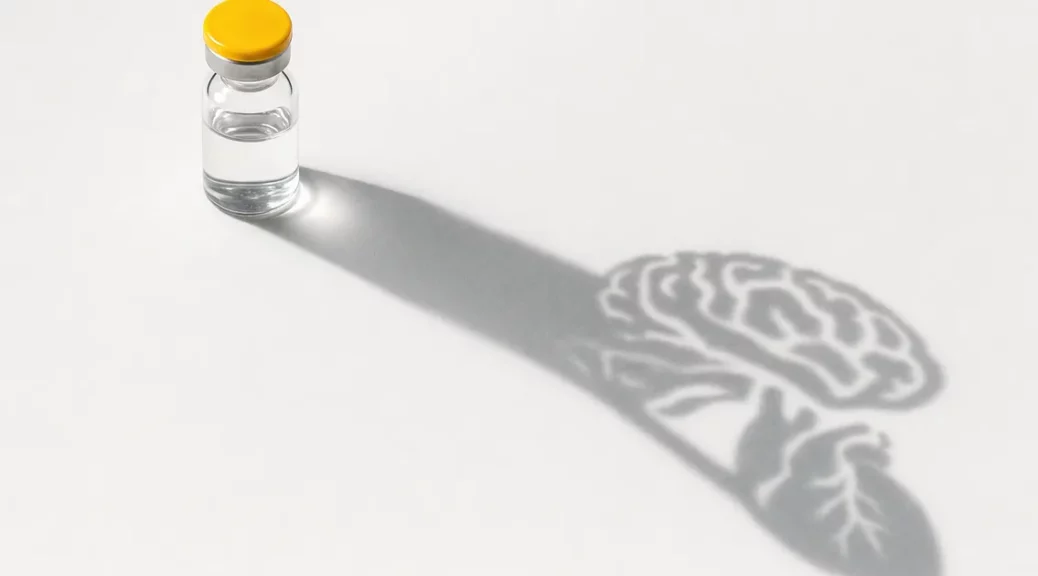
Natural experiments in Wales and Australia, plus million-person cohort studies, link shingles vaccination to lower dementia and cardiovascular risk; here is how strong that evidence really is.

Four national aging cohorts converge on one finding; depressive symptoms, not demographics or health conditions, best predict who develops poor sleep after 60.

A five-step method for judging longevity research, with a worked example, named mistakes to avoid, and a clear split between established and emerging evidence.